|
Writing is work. People build whole identities and businesses around how to manage it as a job, sell it as a product, market yourself as a creator. It’s long hours alone. It’s wondering when something will make it through. It’s time and energy. But it’s also fun. Stories are fun. And sometimes – maybe in the midst of a global pandemic, or a creative slump, or a dim hour of blank pages – it helps to find a way to remind yourself how great storytelling can be. So, you get some books. 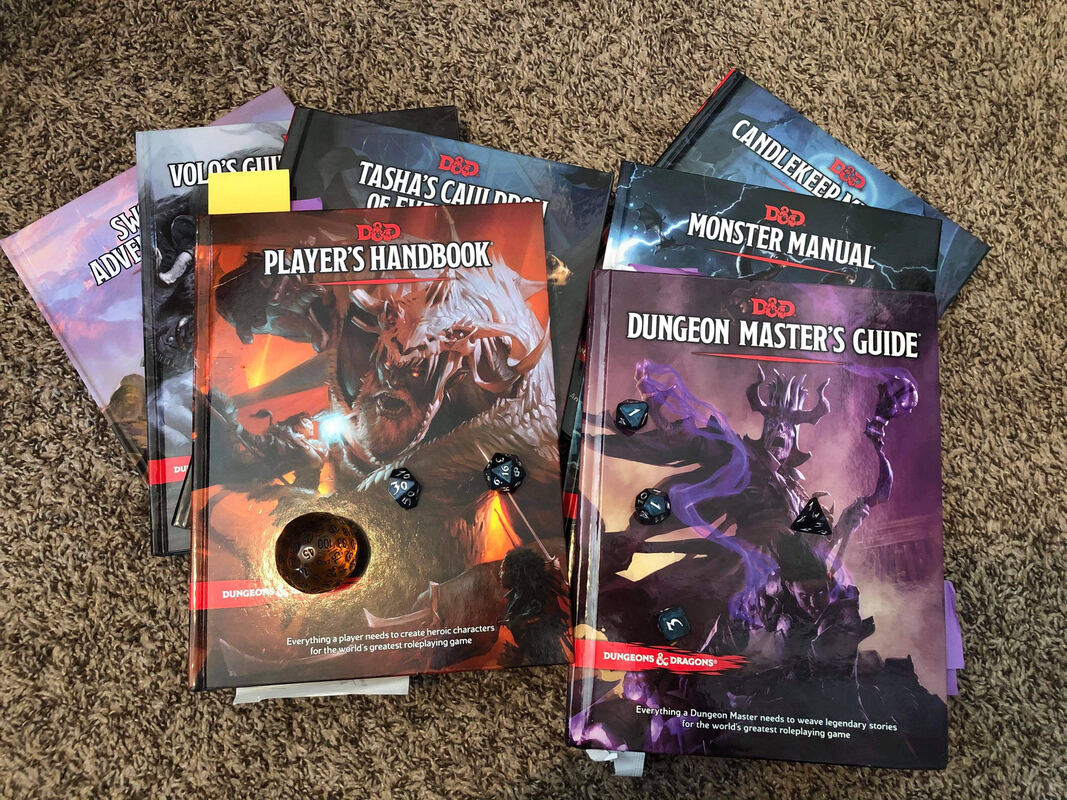 You band together with some friends. 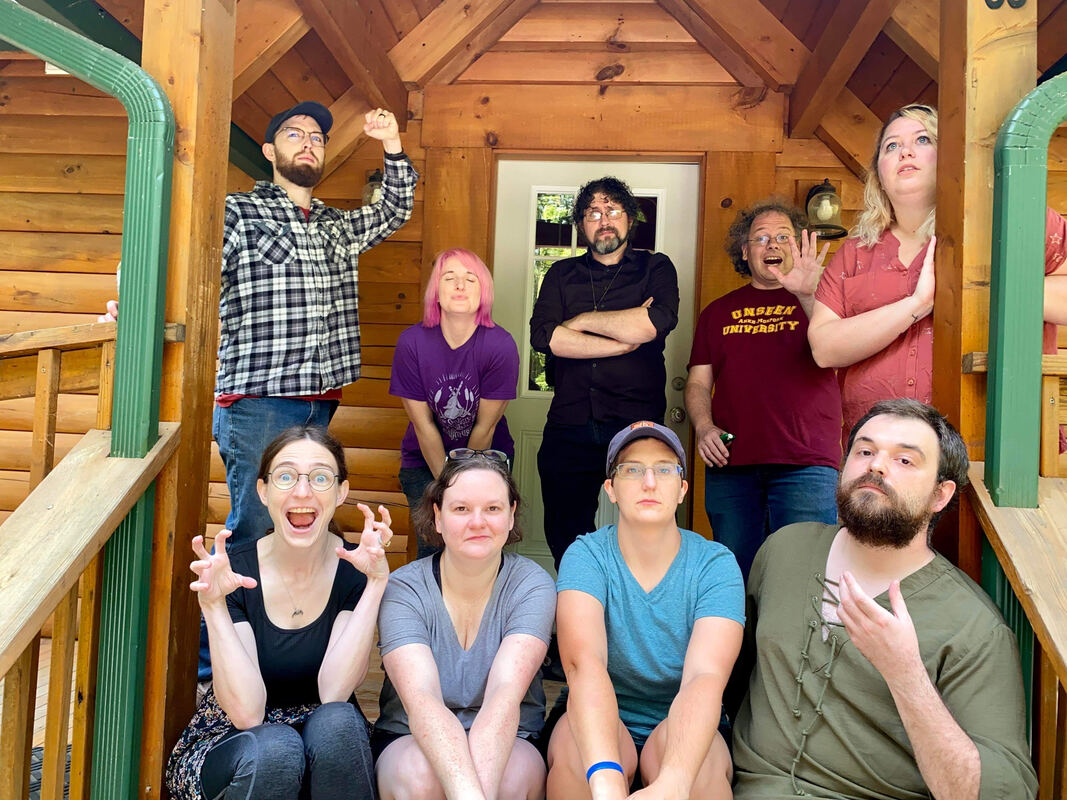 You learn some rules, watch some livestreams – and then you do what you do best. You worldbuild. 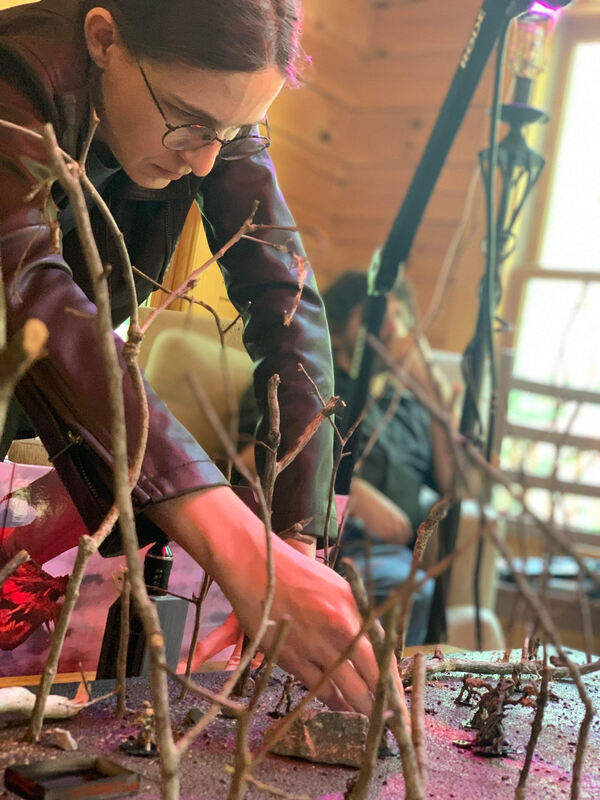 You narrate. 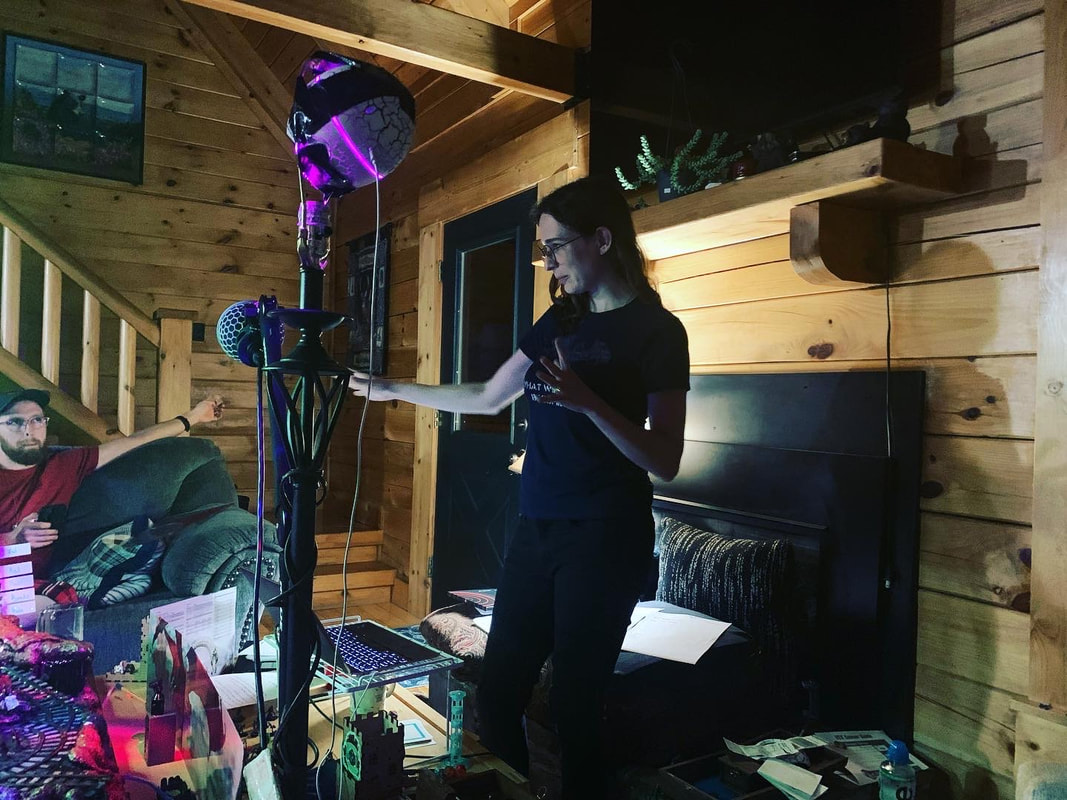 You do your best to hook your audience and keep them with you – once a week, every week. For a month. For a year. 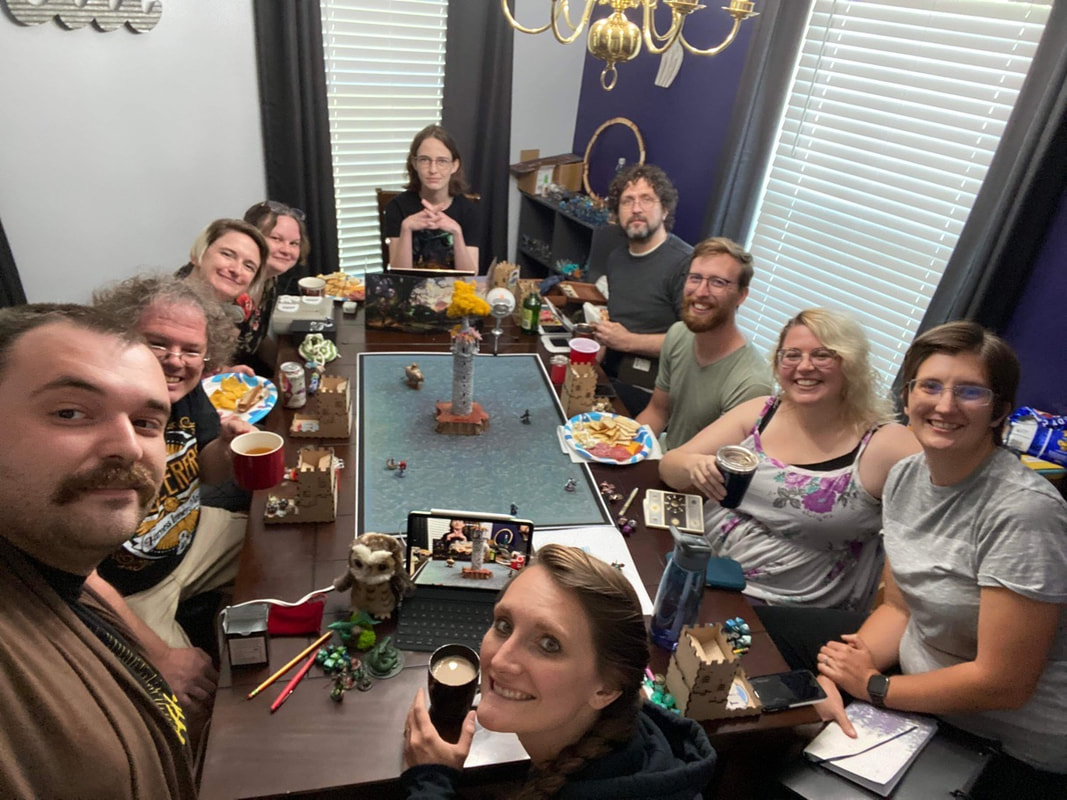 For two. For three. 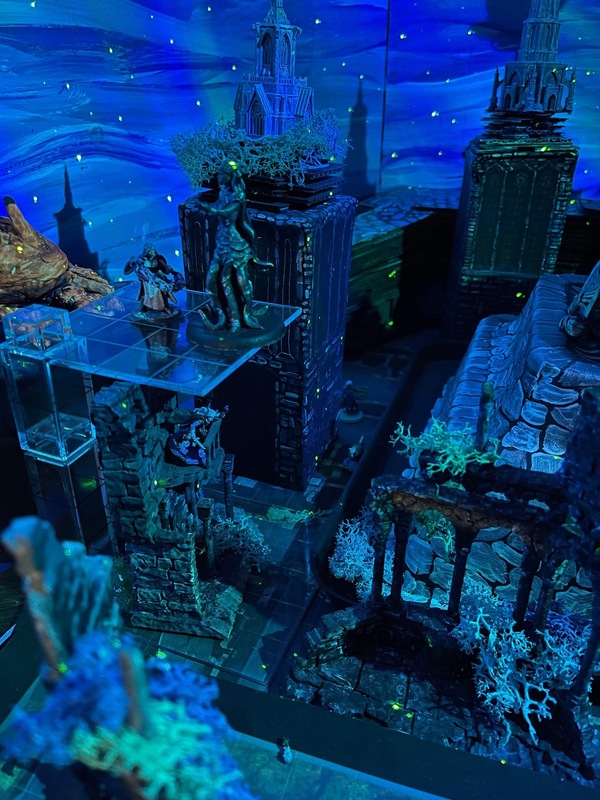 And a little at a time, almost without realizing it, you get better at writing. The form teaches you to relax your grip on structure. It reminds you to trust your instincts. It forces you to follow through on an idea that you cannot edit away. Your friends make character choices that never would've occurred to you. In the pressure-cooker of improv, you learn to invent complex motives and dramatic reactions in an instant. You perfect a voice, a tone, a humor that fits your audience. But most of all, you watch them care. And when you get down to the most important thing a story can do, a funny thing happens. You get carried away. 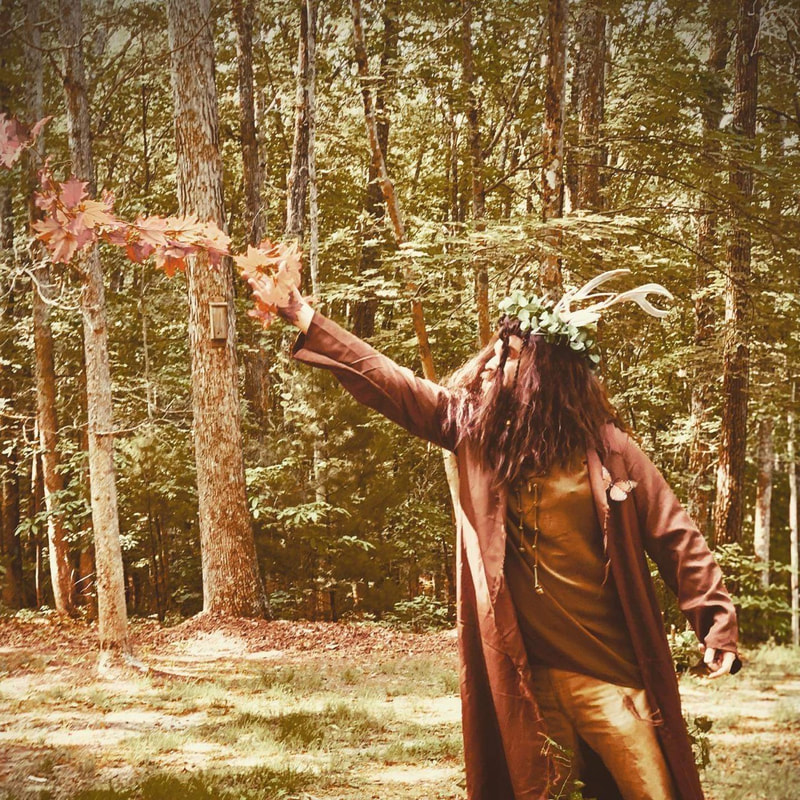 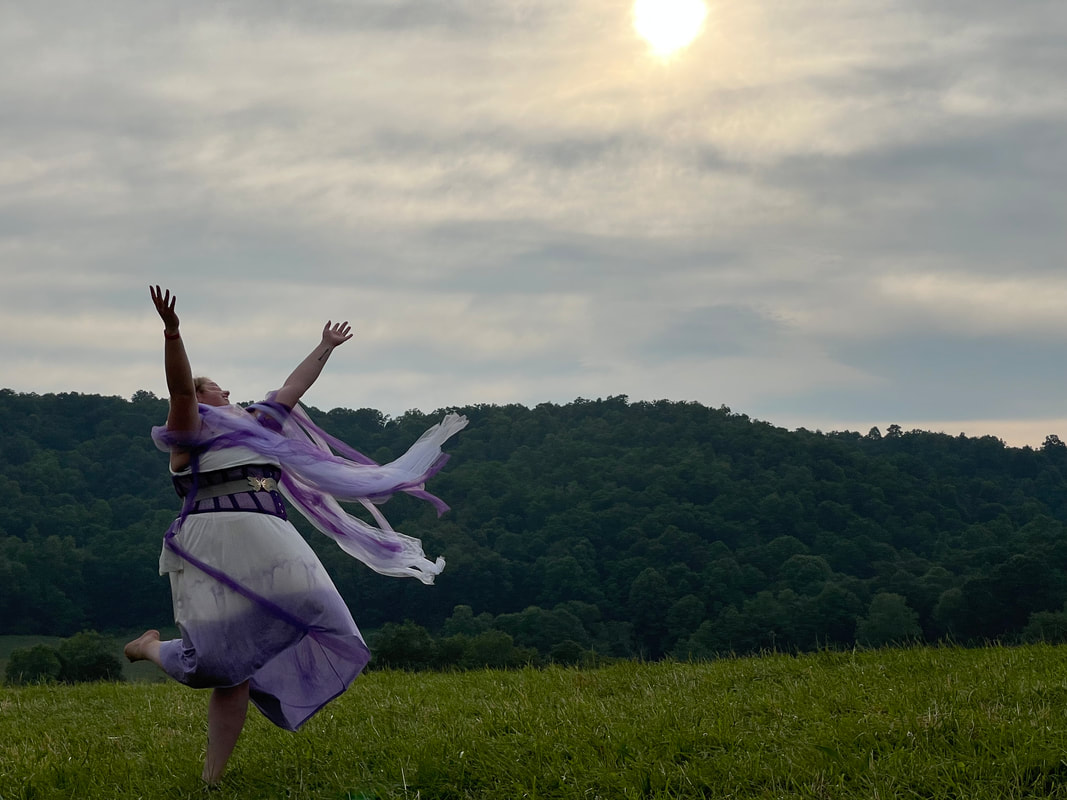 The story grows in its own directions, without your permission. It becomes a living thing. You don’t write the notes because you have to; you write to see the looks on their faces at the next big twist or betrayal. You write to wonder how they’ll surprise you and escape at the last second. You write to weep with them when they fall, and get up again. 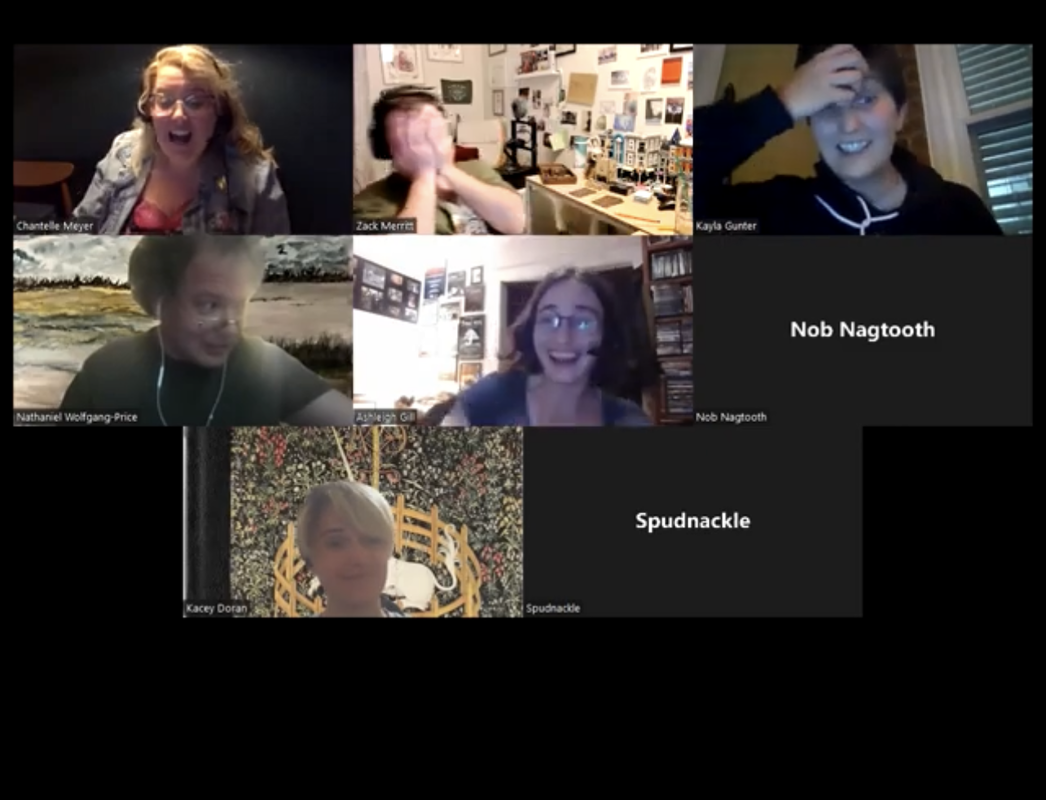 It goes from being just a game to becoming art. 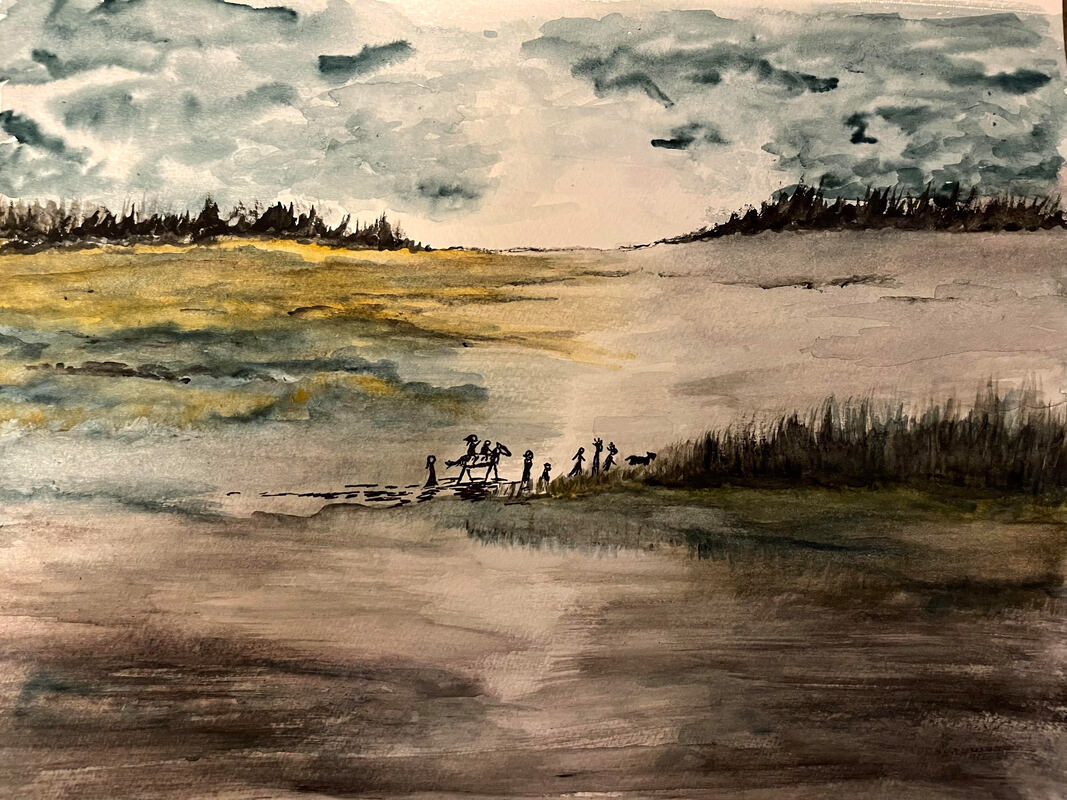 painting by Ashleigh Gill 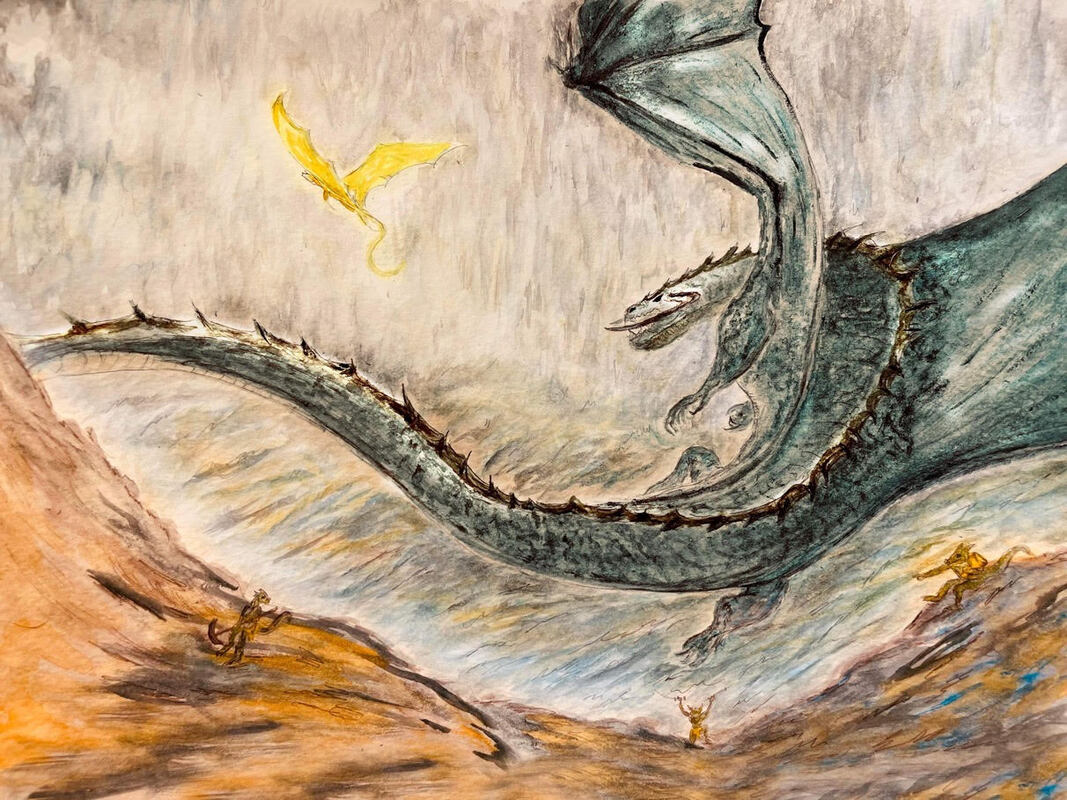 painting by Ashleigh Gill Art that’s fun. 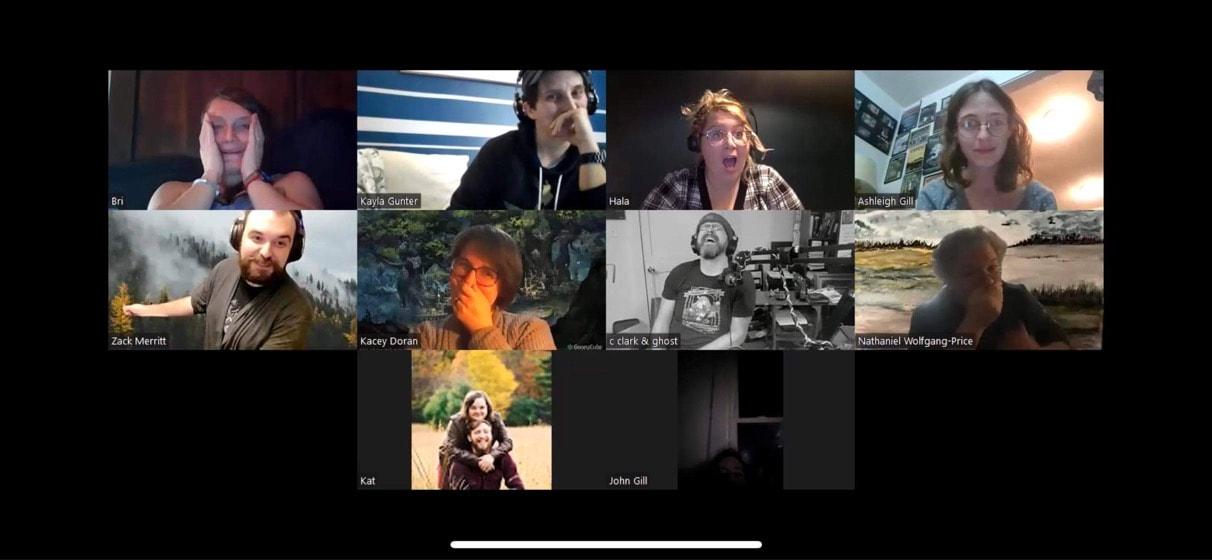 Like it always has been.
0 Comments
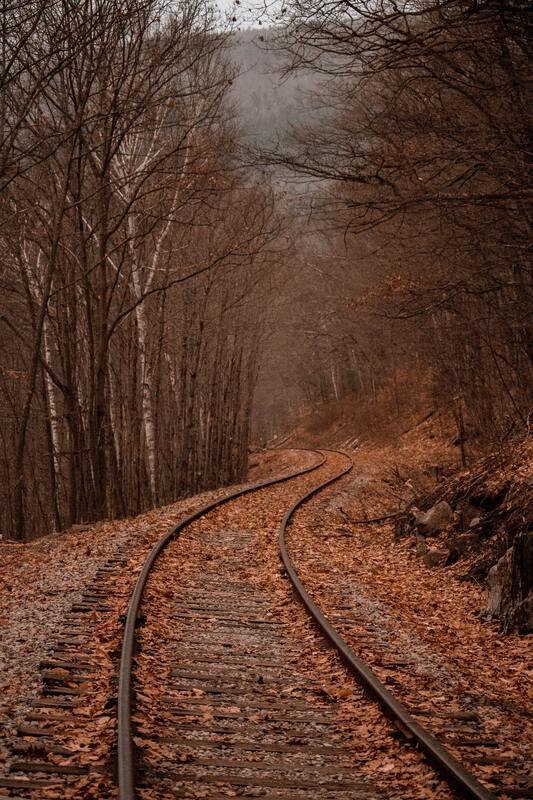 Photo by Adam Bixby on Unsplash Autumn of the mid ‘90s. I gathered my younger siblings, preparing for Halloween - a beautiful, crackling, secretive season, the house sweet-scented with wood smoke, and crisp Goosebumps books lined up on the library shelves. I craved that season – the best one, the deepest one. Our rituals were small. We planned our costumes months in advance, then changed our minds last-minute. We walked like lords among the changing trees and asked this or that maple to try a little harder – still too much green, still too cheerful. We ducked in and out of the tented corn husks, listening to them sigh, their summer lost. 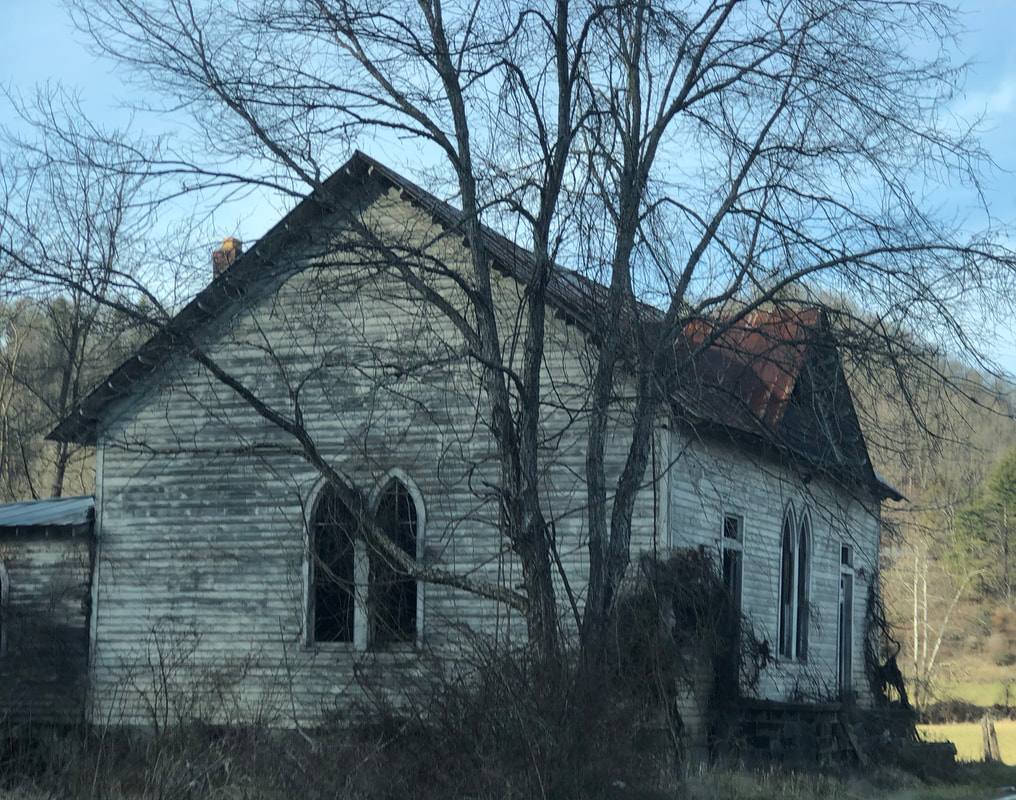 Abandoned Church near Princeton, WV A need, real and hungry as love, spoke loud in me, and I knew what food it liked. Everywhere, I looked for graveyards, old barns, dark houses. I reveled in the mournful smell of brittle leaves, the velvet startle of ravens from headstones. I longed to share in their history, their unflinching nearness to the dark. I wanted a scary story. A real one. My own. The trouble was, none of the stories I found felt real. In the books and movies made for children, the monsters guffawed and stumbled, reminding us it was a game, only a game. I wanted to touch the thrumming string I felt below it all – not just something scary, but something true. It seemed like everyone had conspired to say, “See, the world’s nothing special, underneath.” But the land itself, all around, felt haunted. The hills and woods whispered with stories. There was something out there, waiting. There had to be. I got close to it with the smudged, inky horrors populating Scary Stories to Tell in the Dark, and the funerary playfulness of In a Dark, Dark Room – both full of evil little rhymes to recite, and music to learn them by. But the scariest and best stories of all, I found, were the homegrown kind; the kind born and bred in the hills and hollers I knew. 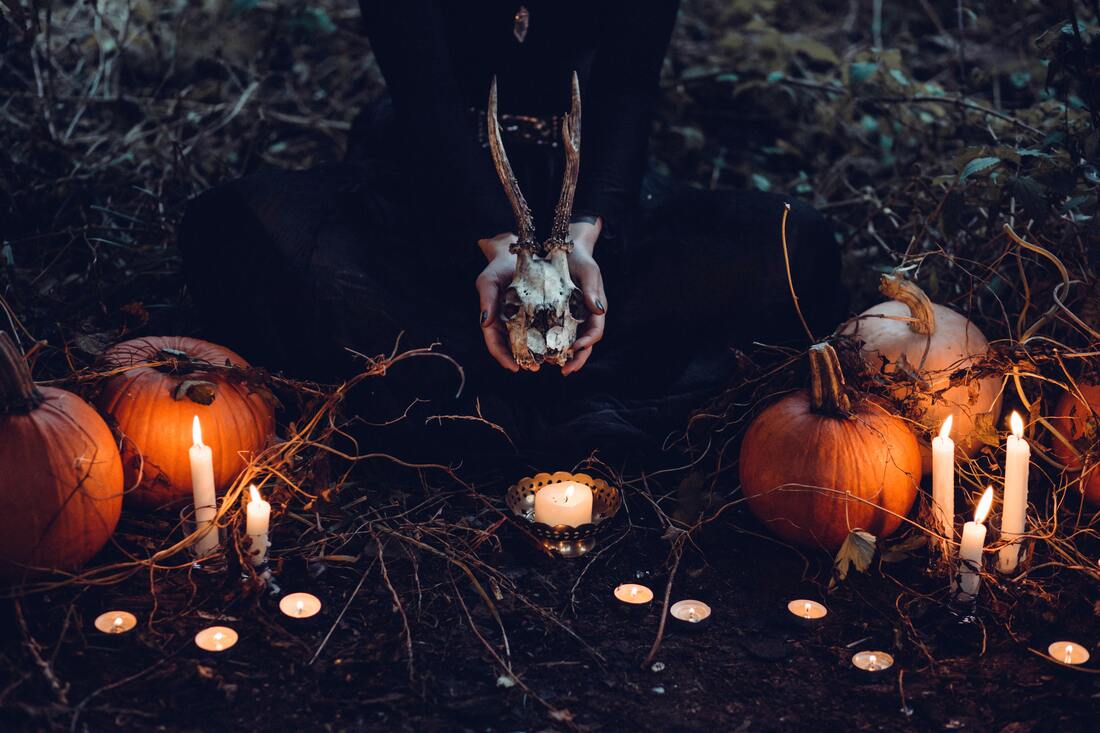 Photo by freestocks on Unsplash The story of Horrible Hannah – a witch buried alive, who claws through her coffin and scoops up children with her long, bloody nails (and in whose honor I still shudder while passing certain trees).
The way my grandmother warned me to beware of walking by the woods at night, where the panthers lurked, their cries like the screams of women. The night my little brother saw something skim the treetops on large, mothlike wings, and we dreamed of Mothman’s red eyes. Or the story my father invented: headless Quilly, crawling up the cliff to steal a pumpkin for his shoulders - or, if no pumpkin could be found, the nearest child's head. From this tradition, The Telltale Lilac Bush draws all its power. The places mentioned are familiar – haven’t I seen Rose Run? Didn’t I pass the Burnt House, and hear the rattle of a chain? - as are the horrors. The echoes of slavery, mine wars, murdered peddlers and desperate wives reenact themselves all around us. It’s an honor to carry on that tradition for the stage. I have tried, in that old instinctive way, to shake the graves and stir the season, hoping it brings a harvest of other stories down from the attics where they’ve hidden so long. If you know such a story, tell it – preferably outside, in the blue chill of an October evening. Then listen, as the wind passes it tree to tree, and the story – like the dead – carries on. 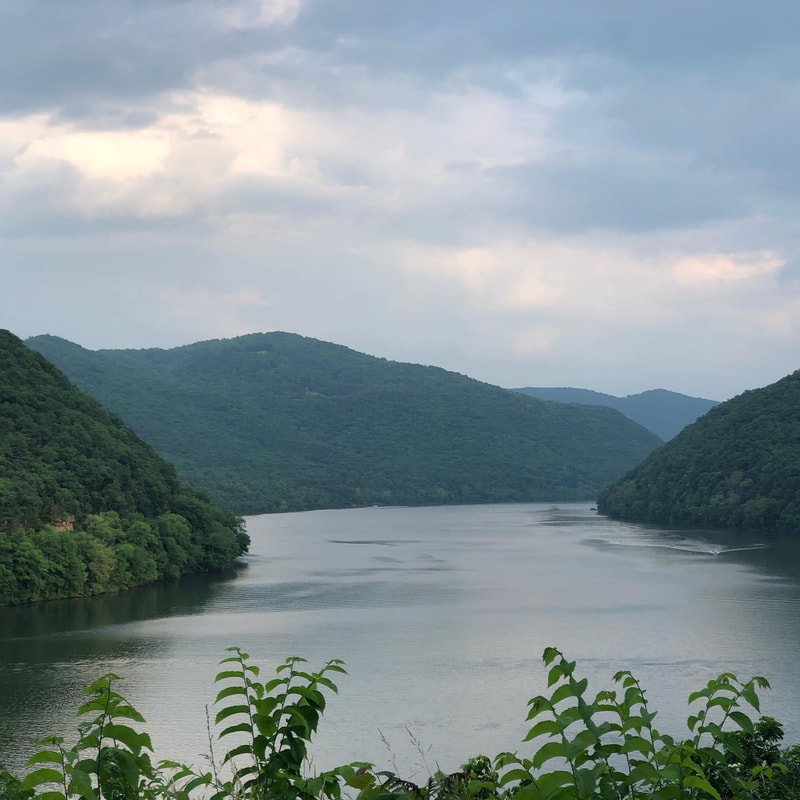
I wish you could see it.
Here – take my shoes. You’re about eight years old, on a hilltop farm in West Virginia. You’ve stayed up too late reading The Cave of Time, and still haven’t chosen the adventure that gets you to that one good ending. It’s a school day. The 7am walk up the winding driveway is dappled dark green, spangled with gold. At the bus house, huddled with your sister and brothers, you can breathe deep and smell the living earth, the damp, watchful woods. The pasture is silver with cobwebs on the fingertips of the uncut grass. The sheep call to each other in their guttural crone voices, plodding to and from the barn. Unless there’s fog. The fog becomes everything. 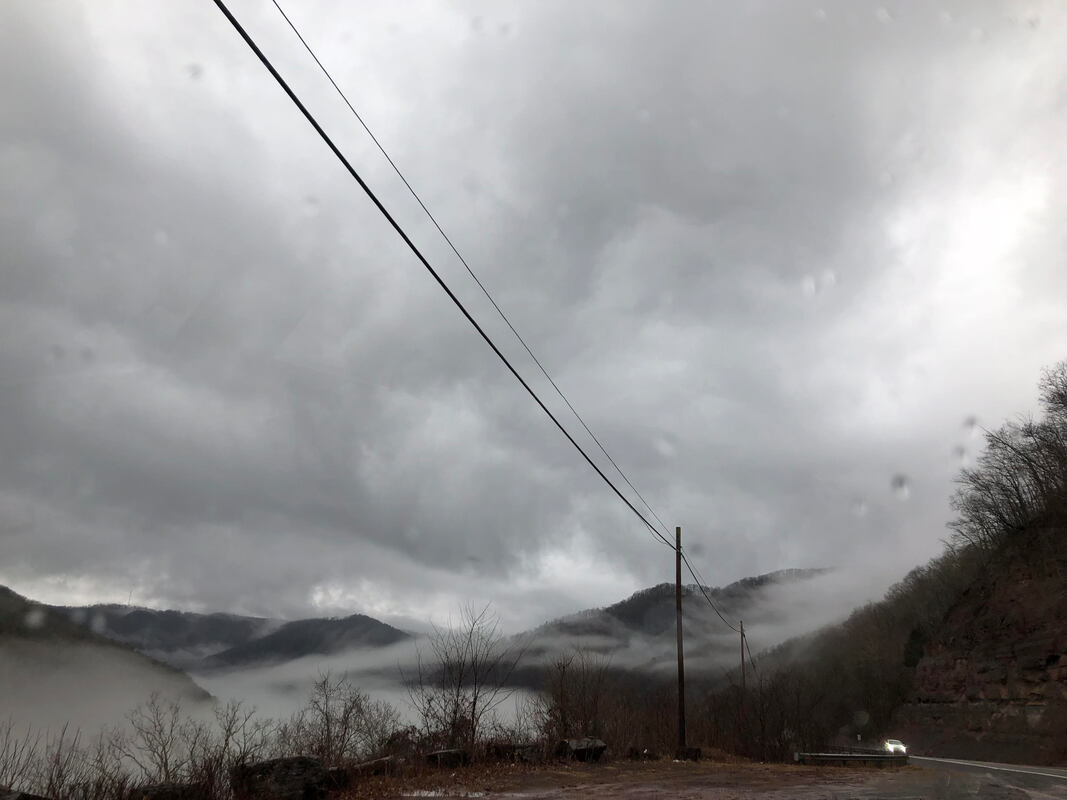
School bus number 47 emerges from the netherworld like a ghost ship, lights beating flat palms on the gray air. Outside its windows, shadows pass. There, the scarecrow in the garden of your grandfather's brother, with a real crow strung to its wrist, in warning. There, the big cemetery squeezing tight on either hillside around the gooseneck turn. No one on bus 47 speaks a word, and you know for a fact you’ve all become imaginary; if any one of you left the bus now, the fog would wash you away.
You’re afraid of disappearing.
Already, you know how easy it is. You're only eight, but the message comes through. On TV, the hero's accent is never a mountain accent; the hills are only backdrops for histories or horror. The very ground you stand on, the very state you’re from, goes unnoticed, a gray spot on the map. You want to be a writer, but writers don't really visit schools where all the words - from the textbooks to the graffiti on the auditorium chairs - are ancient. You know people think there's nobody important here - nothing to see.
Of course, that's not true. The gardens themselves, the curve of land and the bones of barns, show artists at work. Each tradition of survival is beautiful – the quilts, the tending of animals, the music, the pantries glittering with jars of preserves. And although you haven’t seen them yet, the college campuses and city streets overflow with poets, artists, engineers, thinkers. Everyone in these hills is a maker, and everyone on this bus is dreaming. 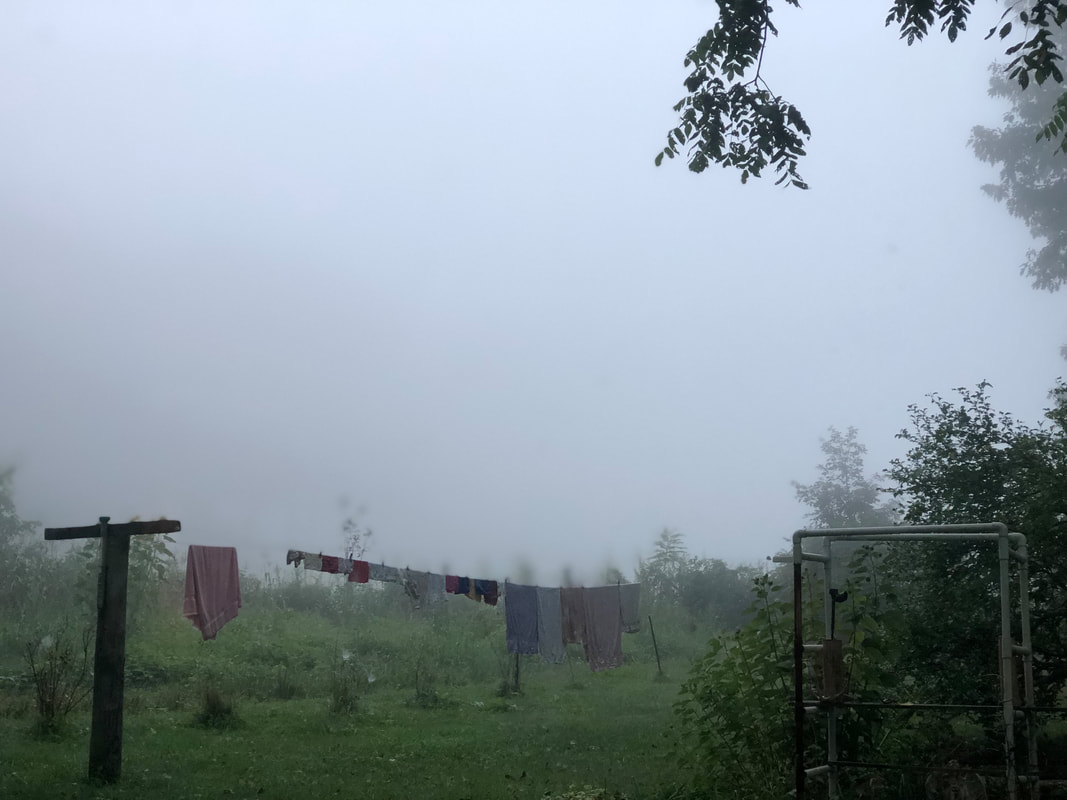
But if The Cave of Time has taught you anything, it’s that one wrong step, one bad choice, can erase you from history. And there are bad steps lurking everywhere. It’s so easy to get sick and never afford to get better, have a child too soon, need money badly enough to make one horrible choice. It’s easy to be angry, desperate, misled.
Already, the older kids in the back seats are beginning to whittle themselves thin enough to slip through the cracks and into the gray morning. Here and there, through breaks in the mist, you see them – alone and lost and everywhere – flinching in the lights of number 47. But the wild old hills are also out there, steadier than the dust of crumbling houses and dead storefronts. Each bend in the road pronounces a lasting landmark; sway right at the hayfield your father mowed last summer, sway left at the pasture where cattle’s dewy heads watch the bus pass – all there, alive and real, even if you can’t see them.
And you – sitting so still and quiet – are alive and real, too. Hold on a little longer. Something’s coming; you have to be ready, nose to the glass, as the bus crawls around a cliff’s edge.
Now, hurry, look. Here’s the hilltop. 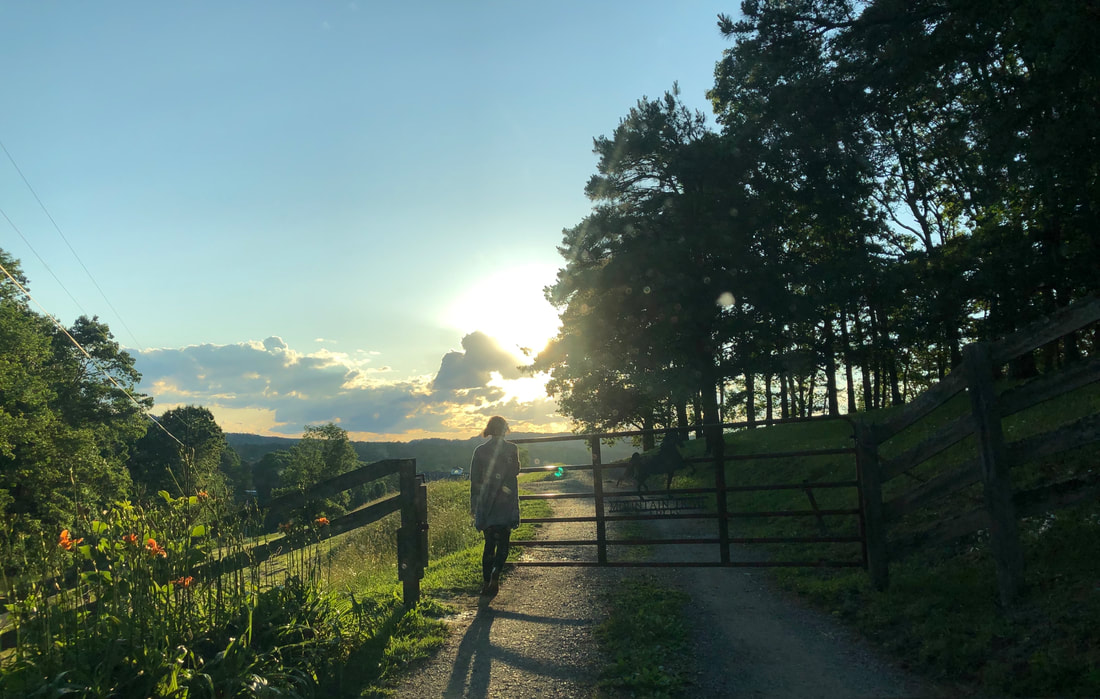
The fog is broken. See the ochre horses, beating the solid earth with their steady hooves. See the gardens growing, the bulbs your neighbors saved up for and ordered months in advance. Down over the cliff, the fog bowls in the valley’s sunrise, a ruby blush in a white sea. If the cafeteria doors are left open later, you’ll be able to watch ribbons of mist breathe from the hollows all morning, fingers releasing their grip on the hills. Up here, you can see for miles. The world is still there. You’re still part of it. 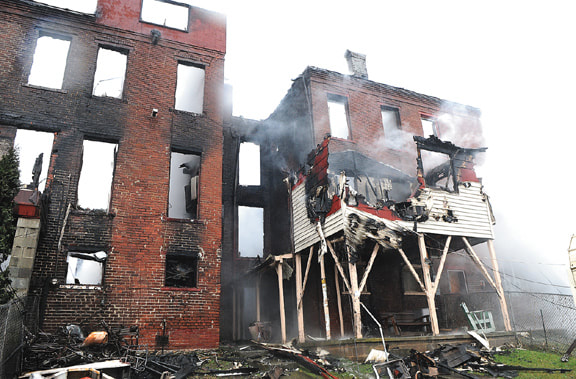 Photo credit: Rick Barbero/The Register-Herald Photo credit: Rick Barbero/The Register-Herald
Remember that. Hold it tight, when dimness blurs the way forward.
When, years from now, you navigate past the military recruitment tables to search for the scholarship application folder. When the Recession stalks your graduation year, and arson eats a church, a store, a row of houses. When jobs vanish, and friends trade their dreams for food. In the coming time of fear, shame, and sickness without aid - remember the sunrise, the horses, the girl with her book.
Can you see them?
Grip that vision like a bright brand, like the hand of your little sister, like the strap of the backpack you’re too cool to wear on both shoulders. Remember, there's more to this place than anger and lack. So much more. The good ending is possible. Just keep heading for the next hilltop. You already know the way. 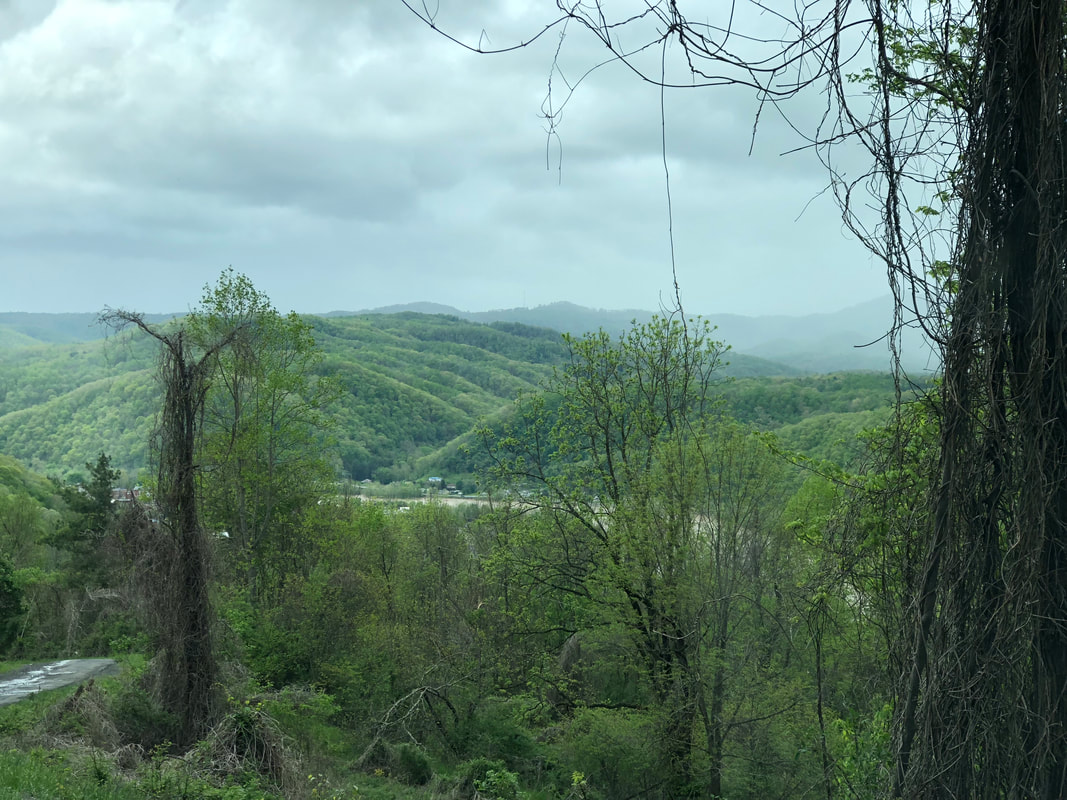
Pictures: The pictures above are mine, unless otherwise credited. All rights reserved by the artists.
|
AuthorHi, I'm Ashleigh. I write stories and plays about impossible things happening to strange people. ArchivesCategories |
 RSS Feed