A.E. GILL
  • Home
  • About
  • Contact
  • Works
    • Plays
    • Poetry and Fiction
    • Illustrations
  • Writer Resources
  • Blog
  • Home
  • About
  • Contact
  • Works
    • Plays
    • Poetry and Fiction
    • Illustrations
  • Writer Resources
  • Blog

The Field Mouse's Guide to Publishing

(Nibbling small bites of a big world) 
Picture
All mice are my own illustrations (including the ones in your cupboard).
Publishing is mysterious. If you feel like a tiny mouse in a huge field, this guide is for you.  Click a mouse  to learn more!

Start Here

Terms to Know
Self-Publishing
Resources for New Writers
What the writer in your life wants you to know

Traditional Publishing 

Where do your ideas come from?
Writing Process & How Long It Takes
Readers who give constructive criticism
Making your work stronger
A specialized letter to a literary agent
On Waiting Well
Your business partner and advocate
Helps make your book the best it can be
Negotiating the rights to your book
Get money!
Spreading the word about your book
Readers can find it on shelves!

Revision

11/19/2020

0 Comments

 
Here you'll find:
FAQ 
Revising for Character: Personality, Motivation, Worldview, and Voice 
Revising for Plot: Pacing and Structures 

FAQ


What is revision?

Revision is the process of fixing up a draft to make it better. It's normal to have to do this a few times! No book is ever perfect, and nobody's first draft glimmers the way they want it to. 

What's the best method?

Some people love flow charts, graphs, and worksheets. If that sort of thing works for you, go for it! If not - don't worry! There's no one way to do this. Try things out, and see what works best for you. Don't beat yourself up if you can't color-code all your chapters; don't feel bad if color-coding them helps you focus. This isn't about what everyone else is doing. This is between you and your story. 

How long does it take?

The simple answer is that it takes as long as it takes. Don't stress if you can't keep up with someone else's recommended schedule. Just recognize that at some point you have to let it go and show it to someone else. Then you get to revise it some more! 

How do I know when it's ready?

Revision is going to be different for every person, and every book. 

With that said: finish your first draft. Before you can do any real revision, you've got to have a whole story, not just pieces. Yes, it'll be in bad shape. Don't worry - you get to fix it. 

Now, put it down for a little while - maybe a couple of weeks, maybe longer. However much time you feel necessary to get some distance from it. Then come back and revise it again. Polish any obviously rough edges. 

Then, if you feel pretty good about it, show it to someone else. Take their feedback and listen, even if it's not what you'd like to hear. If you're getting the same feedback from several people, it's probably something you should address. 

Get distance. Go back. Revise again. 

Remember, the ultimate goal isn't perfection. It'll never be perfect - no book is. No, not even the one you're thinking of. I guarantee it's not the story the author had in mind when they started. Trying to force your book to be perfect before you show it to anyone is like never sending your child to school because you're afraid they won't get straight A's. Be reasonable. Be kind to yourself. Give yourself, and your story, a chance. 

I know sending it to agents is intimidating. I know rejection is scary. It's normal to want a definite set of rules to follow - something that'll spare you any doubt or pain. 

That shortcut doesn't exist. There's no magic formula to help you decide when it's good enough (and anyone who says differently is selling something). Here, you've got to take a deep breath and trust yourself. You know if you've tried your hardest. After that, don't be afraid to let it go and see what happens. 

Revising for Character 

Sometimes, we start with a rough idea of our protagonist, and have to fill them in later. That's okay! Here are some things I've found useful. 

​Personality 
  1. Hold a conversation with them on a page, asking them anything that comes into your mind, and see what they say. You might also stage this conversation between your character and a character from something else you love (how would they respond if faced with your favorite villain?) Then go back to see what you've learned.
  2. Take your character shopping (or to the gym, the park, the library, wherever). What would they pick out? Where would they go next? Why? 
  3. List 20 facts about your character, starting with basic stuff like their favorite color. As you go, it'll get harder, and the things you find out will get more interesting. 

Motivation
The most important thing to know about your character is what they want most. To find that out, you've got to learn  what basic emotions make them tick. Ask:
1. What is my character most afraid of? 
2. In what situation would this person be most uncomfortable or challenged?
3. What does my character believe will make them happy? 

While you're revising, check back in with these three points, and use them to shape your character's decisions in the story. If something feels off, it might be that your character isn't acting in accordance with their motivations. 

Changing Worldview
We're invested in watching this character grow and change throughout the story. If they're the same basic person we met on page one, not much has changed, no matter how many obstacles they've defeated.  But to know if your character has changed, you have to know where they started, and what made them reconsider along the way. 

What's your character's worldview? 
Whether you call them worldviews, guiding principals, mantras, or beliefs, everybody has a few ideas by which they live their life. Maybe it's 'do no harm, but take no crap.' Or perhaps it's, 'Always look out for number one.' Maybe they believe they'll be happy if they prove their worth to a parent, or that they'll be safe if they never fall in love. This is the principal that guides their decisions, on their way to achieving their goals. 
  1. First, pick one of your favorite fictional characters - not one from your own writing. Try to distill that character's worldview into one sentence, or even one word. 
  2. Now, try to do that with your character. If it helps, fill in these blanks:  "I'll be happy if I can just _____. If I don't ______, the worst result will be _______. I will be loved if I _______. I'm most afraid of facing __________. The most important thing is __________."  

Now, challenge that worldview.
A character's worldview is like a coin. It has two sides - positive results, and negative results. In moments of decision, that coin flips - and depending on which side turns up,  the whole story changes. 

If they get mostly positive results, they hold onto their worldview. But negative results will cause them to rethink things - and that's where you get character growth. 

In Lord of the Rings, Boromir's worldview could be summarized as 'It's my duty to defend my people, above all else.' That coin is flipped when he has the chance to seize power - power that would help him uphold his worldview - by betraying his friend. The negative ripple effects of his betrayal alter the entire story. 

What would flip that coin for your character?
Are they faced with something they've always wanted? Confronted with something they've always feared? Made to question what they believe? 
Challenge them with something that doesn't fit their worldview, or causes two of their beliefs to conflict. Give them a chance to obtain what they want through dubious means. How do the results change their story? How will they be challenged further by what they've done? 

Don't be afraid to let them make the 'wrong' choice - sometimes that's where the best stories come from. Now you've got an arc! 

Voice 
The first few times you write your story, all the characters will probably sound alike. Mostly, they'll sound like versions of you. But compelling characters have distinct personalities. They choose their words differently, arrange their sentences differently, think differently. Here are a few things I've found helpful in making characters more distinct. 
  1. Take some major dialogue from your story and remove all identifying tags from it. Now read it. Can you tell who said what? If you show it to someone else, can they tell? If not, you need to do some work.
  2. Practice listening to the different ways people speak in real life. Copy down a few sentences you overhear around you. Study what makes them different, what brings out the personality in them. Then try to mimic it on the page. 
  3. Not everybody structures their sentences in the same way. Try switching clauses around for different voices. "Isn't it a nice day?" might become "Nice day, isn't it?" Or "Nice, today." 
  4. Without stereotyping or trying to write in dialect, give your character a new accent, and see what it brings out in their personality. Accents can be achieved purely through word choice and sentence structure, without dropping letters or spelling things phonetically. "I reckon this here's a fine morning!" conveys a different voice than , "I say, isn't this morning fine?" 
  5. Consider what slang or phrases your character might use, based on where they're from. Do they say 'soda' or 'pop'? Would they push a buggy or a cart through the store? If they stubbed their toe, what would fly out of their mouth? 
  6. Think of your narrative voice, in addition to character voice. What tone does it convey? Do you want it to hide behind the scenes, or take center stage? 

Revising for Plot

Plot takes different shapes in different stories, and there's no one-size-fits-all answer to moving your story along. If you look around, you'll find some basic structures like these - but keep in mind that these are from a mostly English-centric, Western worldview of storytelling, because that's what I know the most about. There are many, many other ways to tell a story.

If your story doesn't seem to fit any of these, you don't have to force it to be anything it's not! 

I've made these super basic. For more in-depth resources, check out the links on the resources page!
Pacing
When people worry about plot, they're often actually worried about pacing - particularly in the middle of a story. To keep your story moving along, try these: 


  1. List your story's major scenes - the big ones, vital to the overall plot - by writing a brief description of each one. "Protagonist gets magic sword," for example.
  2. In each scene, what changes from beginning to end?  Have we learned something? Relieved tension? Studied a character? 
  3. State the purpose of each scene - how it supports the rest of the story. "The purpose of this scene is to show the villain's change of heart." If there isn't a purpose, consider moving it to a more useful place, or cutting it.  
  4. Are any of the scenes working to do the same basic stuff? Maybe you've got two scenes that both show your villain's change of heart. Consider combining their events, or dropping one. 
  5. You've heard a small child tell an 'And then" story, right? "The princess rides a dragon, and then she goes to the island, and then she meets the witch, and then..." It's a slog because readers don't turn pages to watch random events stack up; they read to see how events affect each other. In front of each of your scenes, add "But" or "So." Do they mostly form a cause-effect chain? If not, you've got an "And then" scenario. Label those too, and then revise to get mostly "But, So" scenes instead. 
  • Example: Scene 1: The princess fights the dragon. Scene 2: But, she's defeated. Scene 3: So, she goes to the witch for help. Scene 4: But, the witch is in league with the dragon! Scene 5: And then, a knight knocks at the door.​ ​
Some Plot Structures
The most basic structure you'll find is this: 
[Somebody] wanted ________, but ________, so _________. 
Everything below is just a variation on that theme. 
​
3 Act Structure
(Action movies and romantic comedies are good examples of this.)

Act 1: An inciting incident establishes what our characters want, what they stand to lose, and what they plan to do about it. 
Act 2: They try their plan, but something goes very wrong, and they seem to have lost everything. 
Act 3: Using lessons, tools, or abilities from earlier acts, they come to a new understanding of how to face their challenge and over come it.  

The Hero's Journey
(Just about every classic fantasy you've ever read.)
  • A hero receives a call to adventure. 
  • They cross the threshold of their ordinary world and enter a new realm where things are mysterious and dangerous, but exciting. An older guide helps them along the way. 
  • That guide is lost, and the hero has to go forward alone. 
  • This goes very badly, and the hero enters some kind of 'underworld' realm in which they must face their deepest fears.
  • The hero emerges from the underworld, stronger and wiser. 
  • They face the story's ultimate challenge - and may seem to be defeated for a time, but ultimately emerge victorious. 
  • Now, having mastered not only the challenges but also their own inner weaknesses, the hero returns home to the ordinary world to be a leader and a link to the world of adventure. 

A plot, B plot
(Episodic TV shows are good examples. I recommend studying Star Trek and Doctor Who.) 

Basically, you have a Main adventure (A Plot) and a subtext adventure (B Plot) which play off of each other until the conclusion. 
  • The heroes are on a dangerous quest to defeat the enemy. (A Plot)
  • But also, the heroes are in love with each other and don't want to admit it. (B Plot)
  • Turns out the only way to truly defeat the enemy is by resolving their feelings for each other first. 
  • They do, and they win (or they don't, and it's disastrous). 

7 Point Story Structure
(Lots of things use this pattern, and it has a lot in common with other structures. This is mostly helpful in planning out the major beats of your story.)

Hook:  The premise that gets us interested in the story.
In an ancient age, great heroes once fought terrible monsters to prove their bravery and earn lasting honor.
Plot Turn 1: The inciting incident that kicks off the story. 
A terrible monster named Grendel viciously attacks the hall of King Hrothgar, and no one can stop it. A mighty warrior named Beowulf, eager to prove himself, volunteers to try. 
Pinch Point 1: Your protagonist faces their first challenge. 
Beowulf, weaponless, battles the monster. It's no match for him, and Beowulf wins, proving his strength and ending Grendel's reign of terror.
Midpoint: Your character is no longer reactive, but proactive. They see a problem and they decide to do something about it. 
Beowulf decides to also rid the land of Grendel's mother, a much more dangerous creature and a true match for his strength. After narrowly defeating her, he returns victorious and is made a king who protects his people. His honor and worthiness seem certain.
Pinch Point 2: Up the stakes, apply more pressure on your protagonist. Things take a turn for the worse. 
In Beowulf's old age, a dragon is disturbed. Beowulf goes to face it - but he's not as strong as he once was. If he truly deserves honor, he will have to defend his people against an enemy that outmatches him. 
Plot Turn 2: Here, you see the results of the Midpoint. Your character faces their biggest challenge. 
Beowulf knows he can either be like old King Hrothgar and wait for a younger, stronger hero to turn up and solve the problem for him, or face the dragon himself, risking almost certain death. He faces the dragon and kills it, but is mortally wounded. 
Resolution: Here your character either achieves what they set out to do, or fails. Your story comes to its conclusion. 
Beowulf ultimately proves himself a brave and worthy leader not by being stronger than the monster, but by sacrificing himself to protect his people. He is buried in honor, and his story lives on.
However you revise, good luck! I believe in you. 
0 Comments

Self Publishing

11/11/2020

0 Comments


Since self-publishing isn't my background, I interviewed Dana Fraedrich, self-published author of the steampunk fantasy series Broken Gears. Warm-hearted and serious about craft, Dana is not only the friendliest writer on the block, she's also eager to help others find their way in the writing world. Learn more through her on social media below, and check out her website here: 

https://www.wordsbydana.com/

Picture

Gill: In your view, what's the difference between self-publishing and traditional publishing?

Fraedrich: With self-publishing, it’s right there in the name--self. You’re taking on everything yourself by essentially starting up your own publishing house. Congratulations! You’re a business owner. You source your editor, your cover designer. And you’re responsible for paying for them too. You’re responsible for all the marketing. You create the launch plan and upload the book and choose to which platforms it will be distributed. It’s all on you.

Whereas, with traditional publishing, the publisher handles all that for you. They pay the editors and marketers and cover designers. Your agent, if you have one, handles the contracts and negotiations. It’s two very different paths to the same goal.

Gill: ​Is self-publishing a better idea for certain genres, styles, or voices? 

Fraedrich: I don’t think either self-publishing or traditional is better or worse. Some genres, styles, or voices might simply be harder to find an agent or publisher for if you decide to go traditional. The thing to remember with traditional is that publishing houses are businesses. They’re going to pick up what they think will sell. It might be that your book’s market is currently saturated, meaning a traditional publisher doesn’t want yet another book of that type right now.

Does that mean you should go straight to self-publishing? That depends on what you want for your career. If you don’t want to run your own business, as you have to when you choose to self-publish, and you really want to just go traditional, that’s okay. Put the book that didn’t get picked up in your trunk and move onto the next book. Maybe one day, once the market changes a bit, that first book will get picked up. Or maybe, once you’re in a different place in your life, you will want to self-publish it.

Gill: ​What questions should you ask yourself to know if self-publishing is right for you?

Fraedrich: I have a blog entry that goes into all of this, from looking at the reasons why you want to publish in the first place to the nitty-gritty of which goal types match best with which publishing path. You can find that here:
www.wordsbydana.com/blog/2019/12/15/should-you-go-the-traditional-or-self-publishing-route

Gill: ​Are there any myths or misunderstandings about self-publishing you’d like to address? 

Fraedrich: Firstly, one of the biggest ones is that self-published books aren’t as good as traditional. That they haven’t received the same level of editing or formatting quality. That self-published authors aren’t good enough to be traditionally published. This simply isn’t true. The self-publishing world is full of phenomenally talented writers, editors, cover designers, etc. Are there examples out there of poorly done books? Yes, but there are so, so many more brilliantly done self-published books. Again, it’s just a different path to the same goal.
​
Secondly, I’d like to dispel the myth that self-publishing is easier than traditional publishing. Pardon me while I laugh. Believe me when I say it. Is. Not. Remember what I said earlier about every single step in the process and all the bills being on you and only you and no one but you? Trust me, it’s not easy. Not in the slightest.

Gill: ​Once you decide to self-publish your book, where do you start? 

Fraedrich: Whew, this is a tough one because you can start any number of places. Speaking as someone who had no idea what I was doing when I first started down this road, though, I think research will benefit the first-time self-publishing author the most. This blog post

​ https://www.thecreativepenn.com/2020/03/13/how-to-self-publish-a-book/

from massively successful self-published author Joanna Penn is a great jumping off point. In the post, she’s collected a ton of her starter advice into one place, and you can get her book on self-publishing, which covers the process from square one, there too.

Gill: ​What’s the biggest reward of self-publishing? The biggest challenge? 

Fraedrich: I’ll start with the biggest challenge, which is something I’ve already mentioned: the fact that everything is on you. There are so many steps involved with self-publishing, so many little things to check and keep tabs on—when will you editor be done with the first round of edits and how much time does that leave you to make those edits before getting the manuscript back to them for the next round? What’s my budget? And if I need a change made to the cover design, how much will that eat into said budget? How will that affect my time table?
​
Then again, there’s a huge feeling of satisfaction when you hold the completed book in your hands for the first time. Knowing you did this, you coordinated all the things to make this come together. It’s an achievement to be extremely proud of.

Gill: What else should people know?

Fraedrich: ​I’ve talked a lot about how hard the self-publishing life is, which is true. But you should also know you’re not alone. There are fantastic indie author communities all over the place. Mine happens to be on Instagram. Reach out, make friends, and you’ll see there are hundreds and thousands of people out there with the same doubts and worries as you. Hang onto one another, lift one another up, and be kind to both others and yourself. If we all do that, we’ll all be okay.

Gill: ​Do you have any more resources or links that would be useful? 

Fraedrich: Boy, do I! Truth be told, I have too many to link here, so I’ve created a handy Resources page on my website where everything is helpfully categorized. There are even more links in some of those listed, so get ready to be prepared!
https://www.wordsbydana.com/resources

And feel free to reach out to me on my Contact page if you need help:
​ https://www.wordsbydana.com/contact

Thanks to Dana for taking the time to answer these questions. And whether you decide to self-publish or go traditional, we wish you the best of luck!

0 Comments

Advances

11/5/2020

0 Comments

 
Picture
 
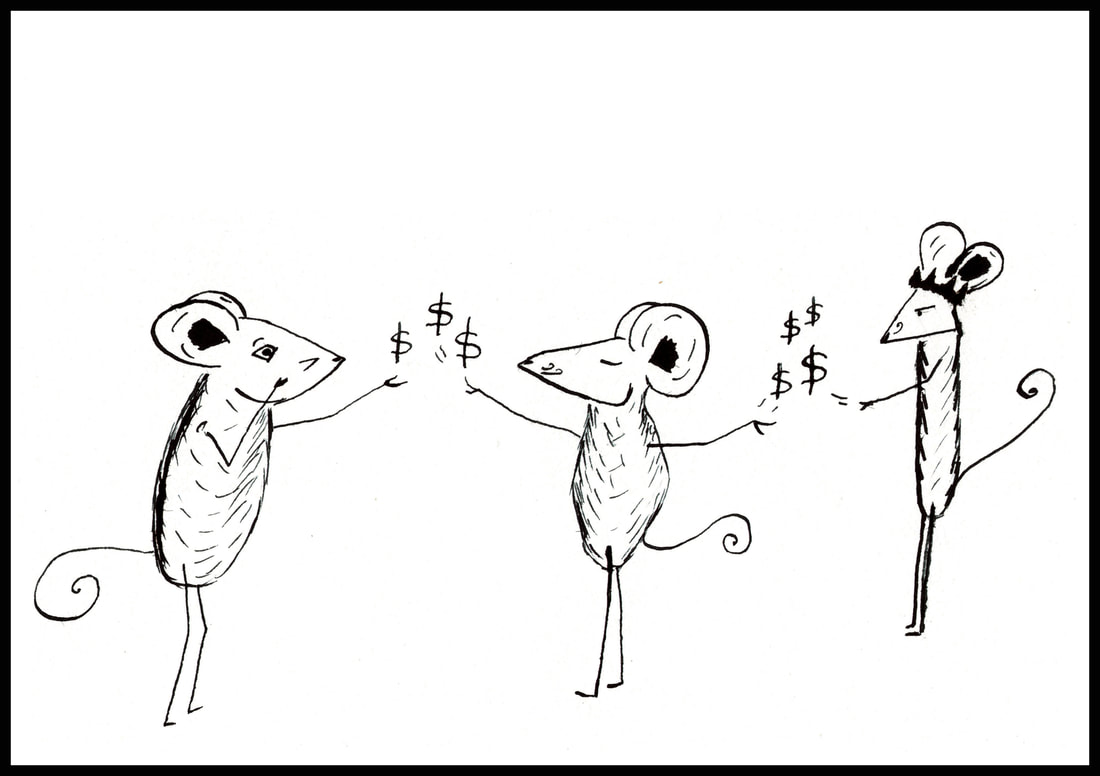
What's an advance?
The money a publisher pays you for the rights to publish your book. 

How much will I get paid? 
Depends!
Your advance is a guess your publisher makes about how much your book will earn, calculated via their own wizardry and algorithms. Your agent can ask for more money while negotiating your contract, but ultimately, the offer will be what it'll be. 

Do I get paid all the money at once?
Nope. Typically, it's broken into thirds. You'll get a payment each time you hit a benchmark - once when you sign the publishing contract, again when you turn in the completed manuscript, again when the book comes out. 

That might be lot of money to manage.
Yep, especially if you aren't used to getting money in chunks. 
Remember, though - this isn't a salary. Your next advance could be much smaller, and publishing can be unpredictable. Getting a big advance this time only means you got a big advance this time - it isn't a prediction of what'll happen next. Before you quit your day job and buy a yacht for your grandma, do some careful financial planning, and always assume that something unexpected will happen. 

Is an advance different from royalties?
Yep. Royalties are proceeds from sales of your book. You only get royalties once the sales of your book have earned out your advance.

What's it mean to earn out your advance?
It means the sales of your book have paid the publisher back for their investment in you.  Until you've earned out your advance, you don't get any further money from the proceeds of your book. 

So if a book is $10 at the bookstore, do I get that much in royalties?
Nope. You and your agent get a percentage of that, as outlined in your contract. 

I didn't get a big advance. Am I a failure? 
This is the rough part about turning storytelling into a business. Try to remember that your advance is not a critique on your worth as a person, or as a writer. And hey, you know you didn't get into this for the money.  You've crossed innumerable hurdles to reach this point. Hold on to the spark that led you here. That's what matters. 

What if I don't earn out my advance?
You're probably okay. It's pretty common. Publishers know an advance is a guess, and that you're unlikely to earn it out. As long as your books sold decently well, the publisher will call that a win. 

Okay but what if my book sold terribly?
First, I'm so sorry. You worked so hard, and it's not fair. 
Streaks of bad luck can happen to anyone. If you're under contract with the same publisher, this might mean they offer you less for your next book, and so on. Or, it might not matter too much. 
You can strategize with your agent here. Maybe you just see how the next book does. Maybe you change course and submit to new publishers. Maybe you change genres or pennames for a while. 
Better luck next time, friend. 

So which is better, a small advance or a big one?
I cannot look you in the eye and tell you that a six-figure deal is a bad thing. Go buy yourself something fancy and bask in the envy of King Midas. 
But seriously - it just depends on your situation. If you need the more reliable income of royalties rolling in, consider a smaller advance. If a giant windfall will change your life for the better, go for it! 
Just remember that a big advance is harder to earn out, and doesn't guarantee big advances for the rest of your career. Talk about all this with your agent when deciding what offer to accept. 

How am I paid?
The publisher sends the check to your agent, who takes their percentage and then sends the rest to you. 

Also:
Congratulations, you got paid for writing!! Go you!!
0 Comments

What the Writer in Your Life Wants You to Know

11/5/2020

0 Comments


Picture
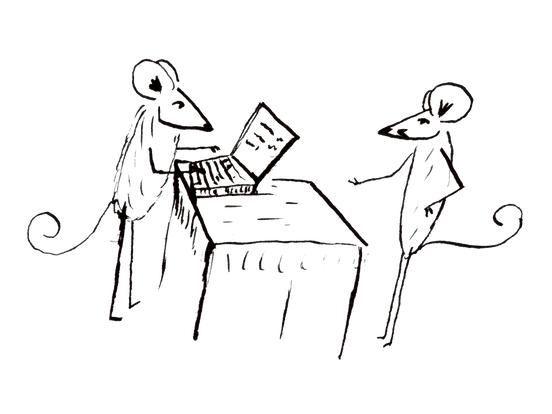
Writing's not like other jobs. 
​It doesn't play by the same rules. 
Picture
A writer's achievements don't come on schedule. For long stretches, it might seem like nothing's happening - but it is. Be patient and supportive.  
Picture
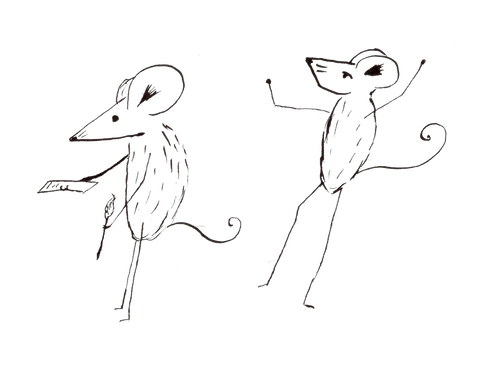
When other workdays end, a writer might still need time alone. This could be their only space to focus.  Help them honor that. 
Picture
With other jobs, hard work becomes a measurable reward. 
​
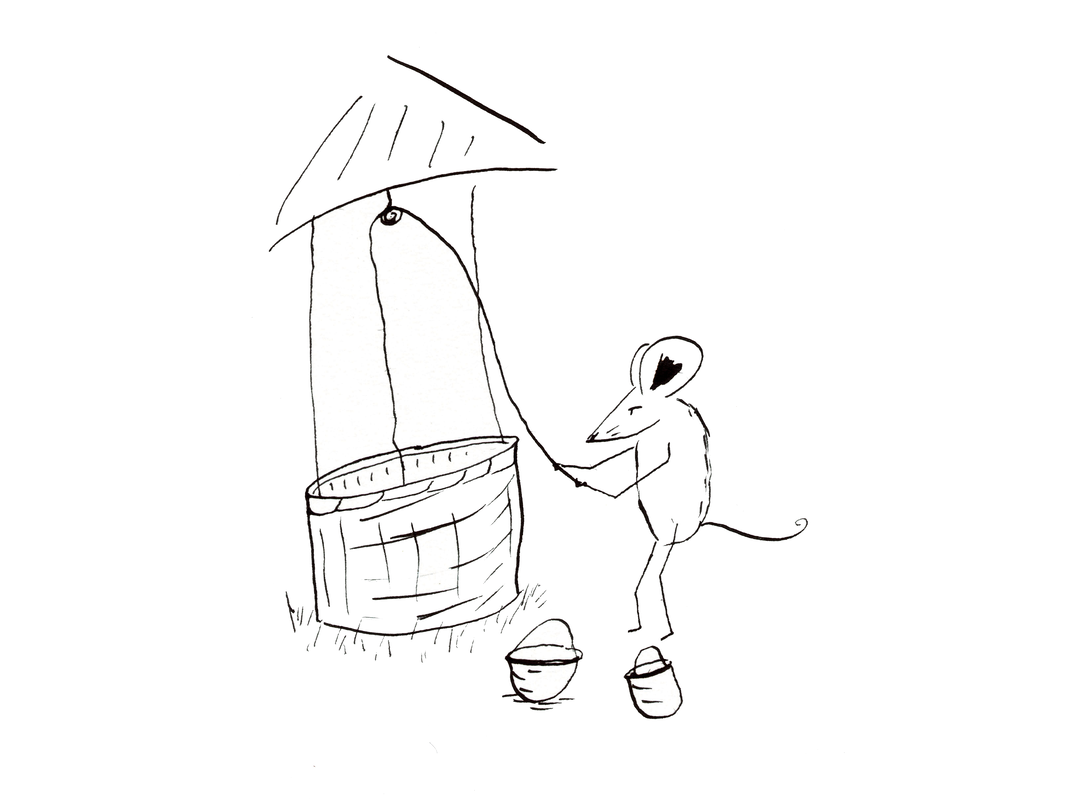
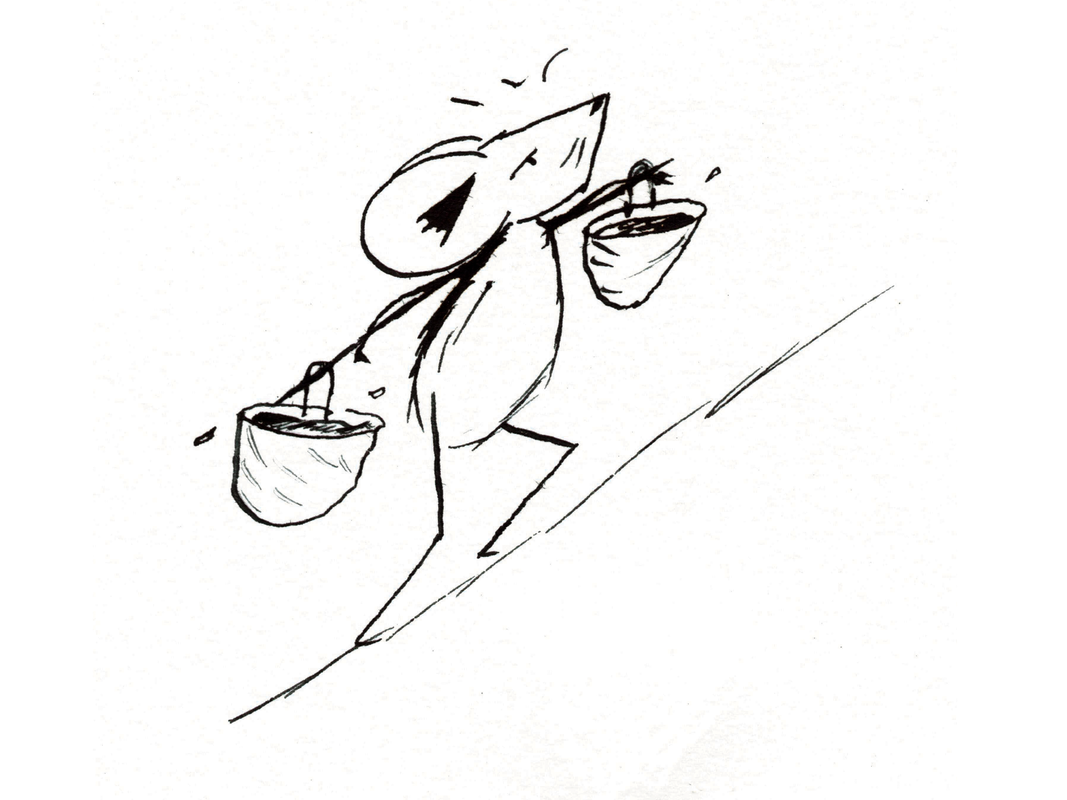
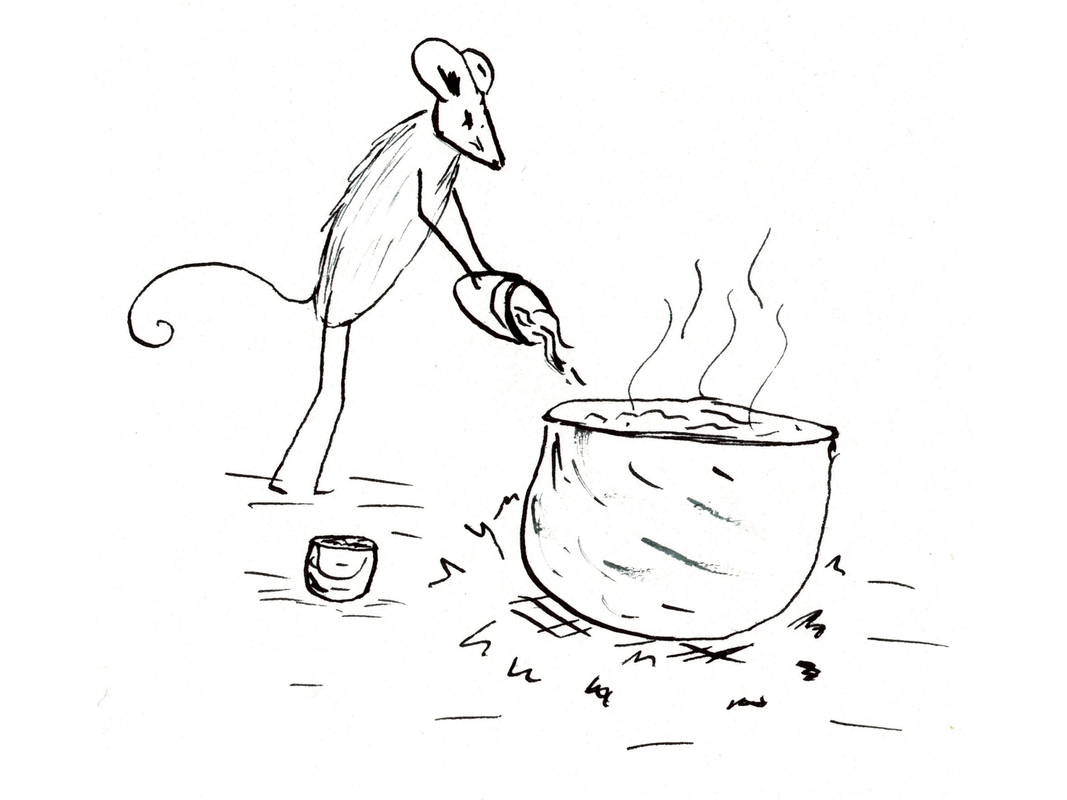
But writing is more like drawing water from a well. 
Picture
Each small step is a huge effort. 
Picture
It takes a lot of time before it's ready.
Picture
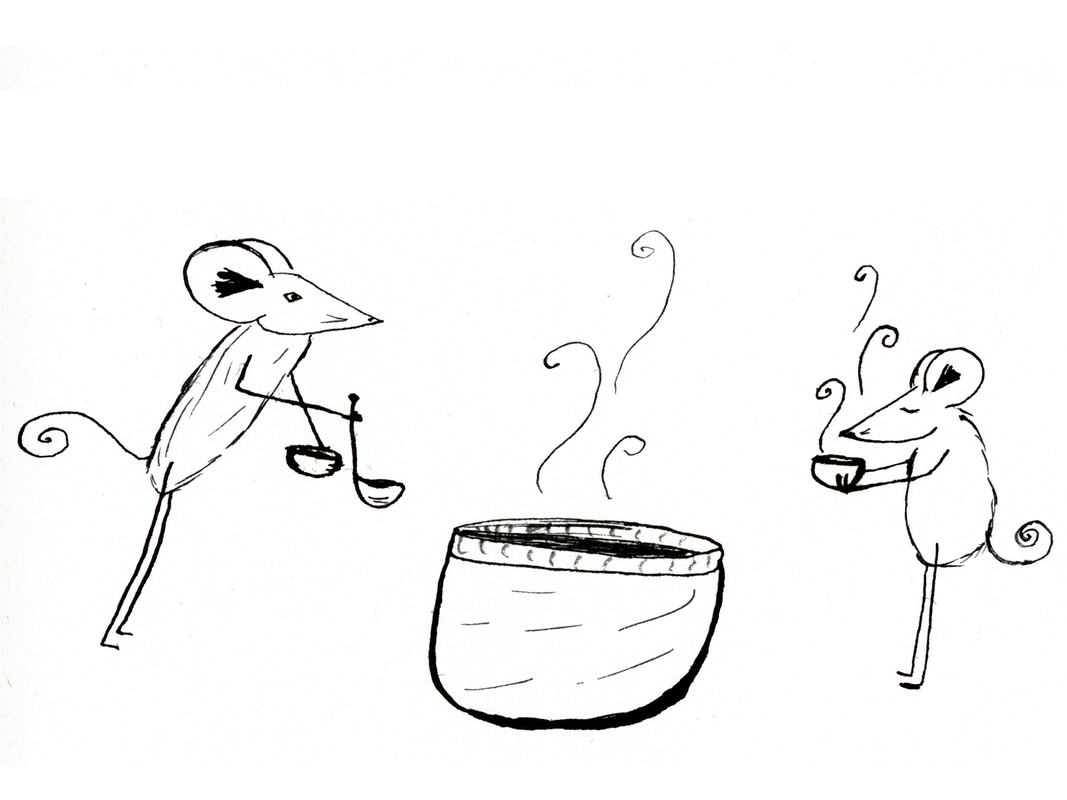
All to make something special. 
Something to share.
Something that might give others the strength to climb hills of their own.
0 Comments

    Author

    I'm Ashleigh. I write stories and plays about impossible things happening to strange people. 

    Archives

    December 2020
    November 2020
    October 2020
    September 2020

    Categories

    All

    RSS Feed

Proudly powered by Weebly